

Volunteer With Us

A Year Unlike Any Other
At Innisfree Village, volunteering isn’t something you do for a few hours a week. It’s a way of life. Residential volunteers spend a year living alongside adults with intellectual and developmental disabilities, sharing homes, meals, celebrations and everyday moments in a lifesharing community at the foot of the Blue Ridge Mountains.
Every day is shared, every person matters, and every relationship is built on a simple belief: together, we can make it.
More Than a Volunteer
At Innisfree, a residential volunteer isn’t a visitor or a helper on the sidelines. You live here. You share a home, a table and everyday life with adults with intellectual and developmental disabilities, whom we call co-workers. Your presence, compassion and commitment help shape a community built on mutual respect, connection and belonging.
-
For one year, volunteers make their home in one of our village houses, alongside co-workers and fellow volunteers. Day to day, that means sharing companionship and conversation, offering emotional support, and helping with daily needs, including personal care.
-
Volunteers join co-workers in our therapeutic workstations: the bakery, community kitchen, farm, free school, fitness, herb and vegetable gardens, weavery, woodshop and art studio.
-
From village celebrations to community meetings, volunteers are part of the life and decisions that make Innisfree feel like home.
A year at Innisfree doesn’t end when you leave.
Choosing to spend a year (or more) in community is a big decision. Some volunteers arrive looking for purpose, some for community, and some aren’t quite sure what they’re looking for. Most leave with more than they expected. Volunteers often say the experience stays with them for the rest of their lives, in how they see people, how they show up for others, and what they want their lives to hold.
-
The bonds formed here, with co-workers, fellow volunteers and the wider community, often last for years. Many volunteers return to visit, and some never really leave.
-
Shared life teaches you to slow down, listen closely and meet people where they are. These lessons stay with you long after your year ends.
-
Living in community means learning what grounds you, where your limits are, and how much you’re capable of. Many volunteers leave knowing themselves more fully than when they arrived.
-
For some, a year at Innisfree confirms a path they were already on. For others, it opens one they never expected. Either way, volunteers tend to leave with a clearer idea of what matters to them.
When to Apply
Openings for residential volunteers come up throughout the year, so we encourage you to apply early. Our application process is thoughtful and community-based, so it takes time. If accepted, most volunteers arrive within one to three months, depending on when a space opens up. Being clear and flexible about your availability helps us find the right timing for you and for the community.
A Closer Look
In Their Own Words
No one can describe life at Innisfree better than the people who have lived it. Our volunteers come from different places and backgrounds, and each one experiences the year in their own way. Some find exactly what they came for, and others discover something they never expected. Here’s what they have to say.
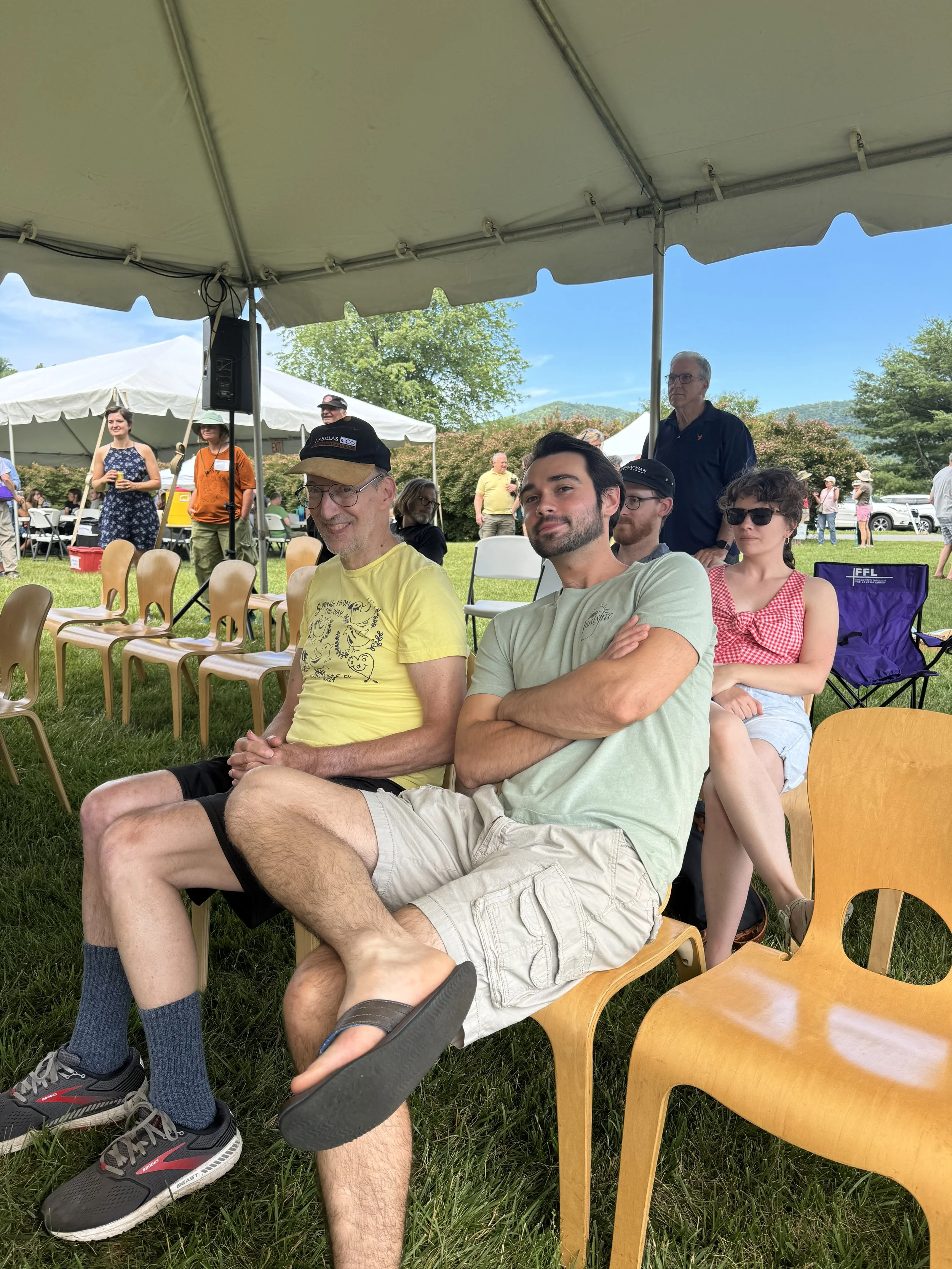
“What I love about Innisfree is that there is so much to explore. There are so many people to meet, things to learn, and activities to try. Innisfree is extremely supportive in helping people in this exploration, so that they can enjoy contributing to the community.”
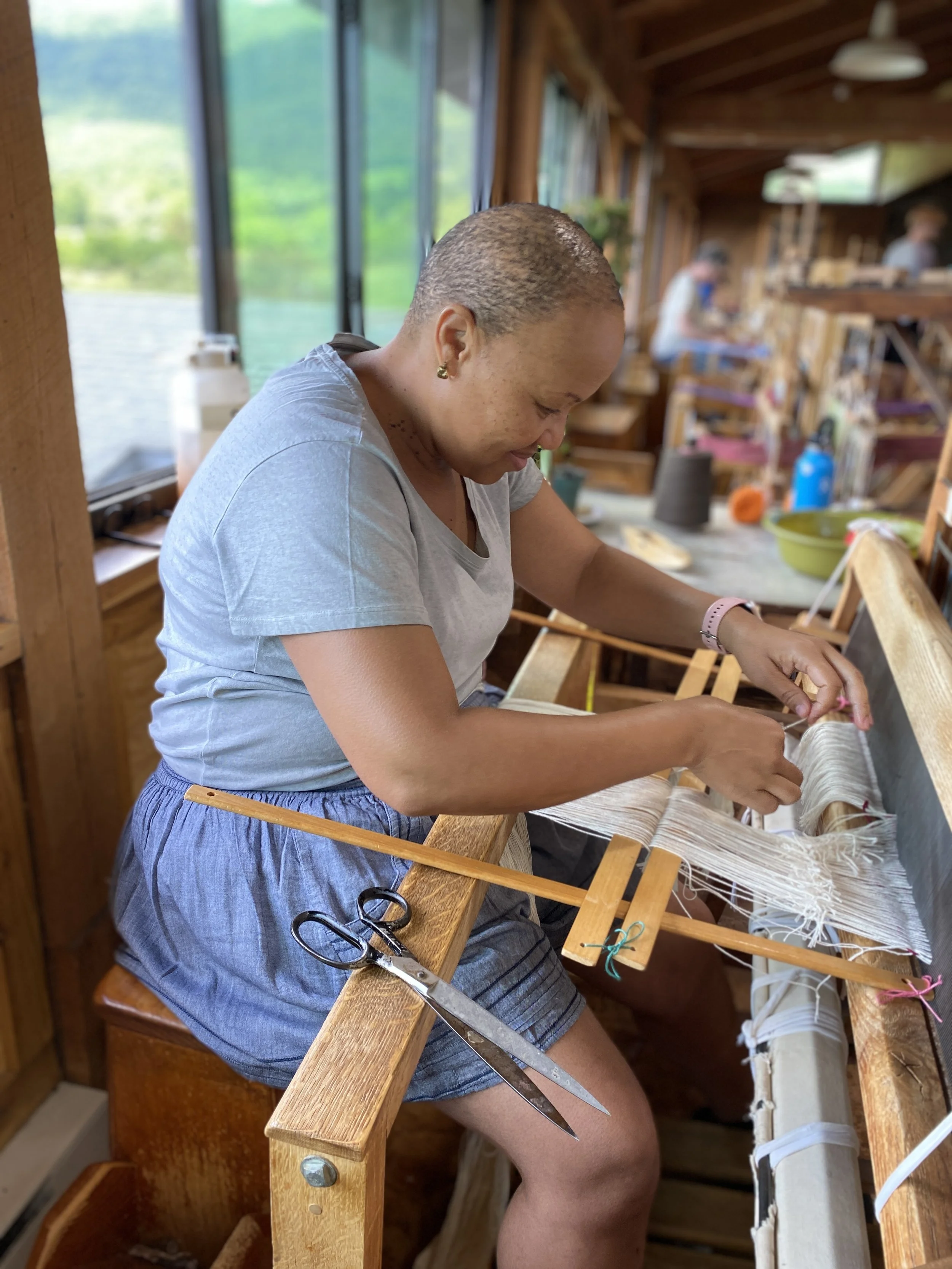
“What I love about being at Innisfree Village is that I constantly get reminded to be more grateful and appreciative of the World around me.”

“I love the grounding effect of being in the village with the routines in place (which the coworkers consistently remind me of!) I also love the excitement of taking them out of the village, even if its just to our favorite restaurant, and seeing those familiar faces and saying hello.
The mixture of both gives a very balanced way of living. At times, pushing them, and me, outside my comfort zone, is always a good thing. And also knowing that they, and myself, can handle it. Adaptation, flexibility. Those are things to always remember and be open to!”