Frequently Asked Questions
Things People Often Ask
Considering a year at Innisfree? You probably have questions, and that’s completely normal. Here are answers to the ones we hear most often, from daily life and living arrangements to how the application process works.
Life as a Volunteer
-
Volunteers help co-workers with personal care, including bathing, toileting, dressing and brushing teeth, and also offer emotional support. You won’t be expected to do it all at once. With training and guidance, you’ll take these on gradually as you build trust and get to know each person.
-
Life at Innisfree is an alternative to the typical 9-to-5. Daily life, supporting co-workers, and contributing to the community are woven together rather than kept separate. Days are full of routine and responsibility, but they’re also enriching and meaningful, shaped by the relationships you build and the community you help create and sustain. A typical day might start around 7:30–8:00 a.m. and wind down around 8:30–9:30 p.m., with workstations running from 9 a.m. to 3 p.m. Personal time still matters, and every volunteer has time set aside each week to step away and recharge.
-
At workstations, you’ll work alongside co-workers and support them as they take part in meaningful, therapeutic work. That might mean helping someone harvest vegetables in the garden, prepare a meal in the kitchen, or finish a piece at the loom. You’ll offer encouragement, adapt tasks so everyone can take part, and celebrate the progress along the way. Workstation staff guide each space, so you’ll learn as you go. Most volunteers join workstations about three days a week.
-
Your first month is a time to settle in and learn. You’ll rotate through workstations, get hands-on training in your home on supporting co-workers and running the household, and complete medical orientations. A community-wide orientation covers Innisfree’s history, mission, policies and practices. At the end of the month, we’ll check in together about how things are going, and you’ll confirm your one-year commitment.
-
Volunteers come to Innisfree from across the U.S. and around the world, at different stages of life. Some have just finished school, some are changing careers, and some are looking for a meaningful pause. At any given time, there are usually around [number] volunteers. Many find that the friendships they build with fellow volunteers are among the most lasting parts of their time here.
-
Volunteers live in the village’s residential homes, alongside co-workers and fellow volunteers (and some live in staff). A typical home has about six people, usually two volunteers and four co-workers. You’ll have your own furnished bedroom and share the bathroom, kitchen, living spaces and daily life with your housemates.
-
Community life is rewarding, but it can also be demanding, and taking care of yourself matters. You won’t be doing it alone. Volunteers have regular check-ins with support staff and fellow volunteers and staff are there for each other on hard days and good ones. Your personal days each week give you time to step away and recharge. We encourage every volunteer to speak up early when they need support, because a sustainable experience is better for you and for the community.
-
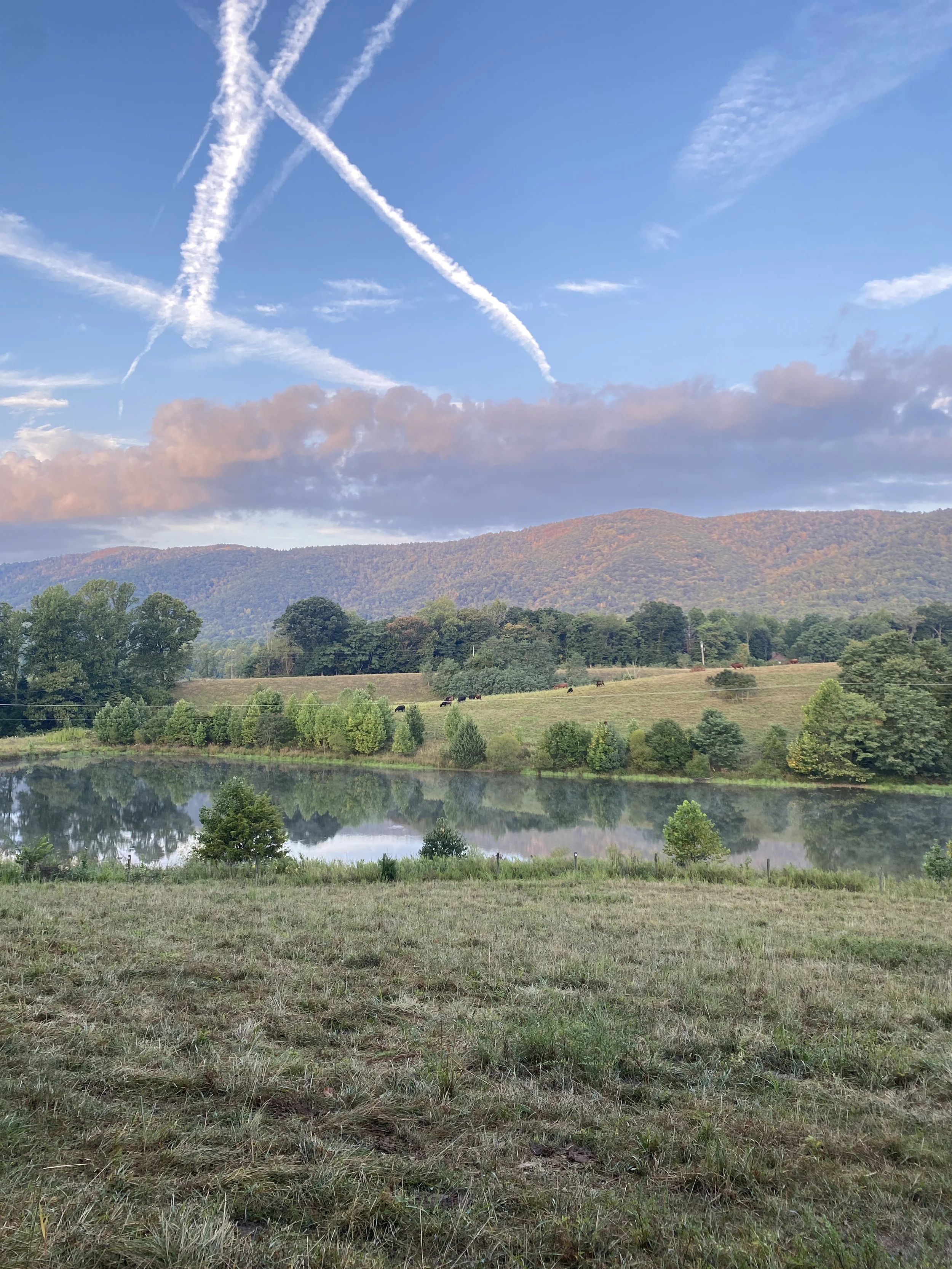
Plenty! In the evenings, volunteers often get together to watch movies, play games, make music, or just talk in one of the houses or around a campfire. The Blue Ridge setting is great for hiking, walking, running and biking. Charlottesville is close by, with concerts, festivals, restaurants, shopping and even college sports. Washington, D.C. is about two and a half hours away, close enough for a weekend of museums, monuments and city life.
-
Yes! We love when friends and family visit. During training, you’ll learn about our visitor policy and good practices for hosting guests in a shared community.
-
Meals are shared within each home, and households plan and cook together. We do our best to support dietary needs and preferences, such as vegetarian diets, allergies or religious practices. Let us know about your needs during the application process so we can talk through how they’ll be met.
How to Join Us
-
Start by completing Part 1 of our application, a short form with your contact information and background. If it looks like a good fit, we’ll follow up with more information and the next steps.
-
If your Part 1 application looks like a good fit, we’ll invite you to complete Part 2. It includes a series of reflection questions that help us get to know you and understand why you want to volunteer at Innisfree.
-
Yes. Applicants who move forward will have a video interview with our volunteer recruiter. It’s a chance to talk about your interests and experience, ask your own questions, and get a better feel for life at Innisfree. U.S. applicants may also be invited to visit in person, and international applicants can choose to chat with one of our current volunteers.
-
Yes. After the interview, U.S. applicants are usually invited to visit and experience community life firsthand. Visits generally last two to three days. If your schedule doesn’t allow that, a one-day visit with a tour of the workstations is also an option. If a visit isn’t possible, whether you’re applying from the U.S. or abroad, you can choose a video chat with one of our current volunteers instead.
-
Our review committee, with input from the community, considers each application carefully. You’ll receive a formal invitation by email if you’re selected. If you’re not selected, we’ll let you know promptly, and we encourage you to stay in touch for future opportunities.
-
Start dates depend on when openings come up in the community, which happens throughout the year. Once you’re accepted, we’ll work with you to find an arrival date that fits both your plans and the community’s needs.
-
Pack comfortable clothes and sturdy shoes for outdoor activities and all kinds of weather. Virginia summers are hot and humid, and winters can be cold and sometimes snowy. Bring your personal items, such as toiletries and any medications, along with anything that will help your space feel like home. Bedrooms are furnished with a bed, storage, a closet and a desk, and each house is stocked with linens, kitchenware and other household basics.
-
Yes. Innisfree is a lifesharing community and also a licensed adult care facility under Virginia law, so we’re required to complete a background screening on every new volunteer.
Who Can Volunteer
-
The volunteers who thrive here tend to be patient, compassionate and good-humored. They’re drawn to rural community living, communicate openly, handle challenges with maturity, and enjoy being part of a team. Most of all, they’re ready to show up fully for the length of their stay.
-
No. Many volunteers arrive with no prior experience. We provide training and ongoing support, so you’ll learn as you go and never have to figure things out alone.
-
We ask residential volunteers to commit to at least one year. Building real relationships takes time, both with co-workers and with the wider community. A full year gives you time to settle in, grow into community life, and experience everything the seasons bring. Volunteers who want to stay longer can submit a proposal to extend, usually around the 10-month mark.
-
Yes, we welcome volunteers from around the world, though we accept a limited number each year. All international volunteers need a B1 or B2 visa to join us. Before you apply, please review our Application Process for International Volunteer Candidates to see if you meet the current criteria.
-
Yes. Volunteers need to communicate comfortably in English, and moderate to advanced conversation and comprehension skills are preferred. Many co-workers communicate in their own unique ways, so being confident in English helps you understand them, be understood, and connect more easily with the whole community.
-
Couples are welcome to apply together. Each partner fills out their own application, and we review each one individually. Couples live together, and we do our best to have both partners support the same home. Depending on community needs, one partner may sometimes spend part of their time supporting another home.
Families are also welcome to apply, and we look at each situation individually. Space for families in the village is limited, and for international volunteers, visa requirements generally make it difficult for family members to join.
Whether you’re applying as a couple or with family, please contact us before you apply so we can talk through your situation.
-
Pets aren’t allowed during your first year. If you have a service animal or an emotional support animal, we’ll consider your request individually. After your first year, volunteers who extend their stay can submit a pet request for the community to review.
-
No, a driver’s license isn’t required, but it’s helpful. Drivers can help co-workers get to appointments and activities, and can more easily explore the area on personal days.
If you plan to drive, you’ll need a valid license and a minimum amount of driving experience. If your license isn’t in English, you’ll also need an International Driving Permit. Before using community vehicles, all drivers complete a driving assessment and orientation.
-
Life doesn’t always go as planned. Family emergencies, personal circumstances and other changes can come up, and sometimes a placement simply isn’t the right fit. Every situation is different, so we handle each one individually. If you’re thinking about leaving, please talk with us as early as possible. We’ll work with you to find the best path forward, for you and for the community.
Practical Details
-
No. Volunteering at Innisfree isn’t a paid position, and volunteers don’t receive a salary or wages. As a live-in volunteer, you’ll make your home here. Innisfree also helps with personal expenses during your stay, and the details depend on whether you’re joining us from within the U.S. or from abroad. You’ll receive full information after completing Part 1 of your application.
-
Health coverage differs depending on whether you’re joining us from within the U.S. or from abroad. You’ll receive full details after completing Part 1 of your application. International volunteers should plan to arrange travel medical insurance before arriving.
-
Volunteers cover their own travel to and from Innisfree, including airfare, train or bus fare, and travel home at the end of their stay. We’re happy to pick you up and drop you off at nearby major transportation hubs.
-
Not to the village itself. There’s no public transportation between Innisfree and Charlottesville, though village drivers can sometimes help with trips to Crozet and Charlottesville. Once you’re in Charlottesville, there’s a local bus service, as well as Amtrak and Greyhound connections. The Charlottesville-Albemarle Airport is about 35 minutes from Innisfree.
-
Pack comfortable clothes and sturdy shoes for outdoor activities and all kinds of weather. Virginia summers are hot and humid, and winters can be cold and sometimes snowy. Bring your personal items, such as toiletries and any medications, along with anything that will help your space feel like home. Bedrooms are furnished with a bed, storage, a closet and a desk, and each house is stocked with linens, kitchenware and other household basics.
-
Yes, all the houses have Wi-Fi. Cell service can be spotty in parts of the village because of our rural, mountain setting. International volunteers may want to look into a U.S. SIM card or phone plan before arriving.
-
Yes. Mail is delivered to the village office and sorted into each house’s mailbox. Packages also arrive at the office, and you’ll pick those up yourself.
-
No, a driver’s license isn’t required, but it’s helpful. Drivers can help co-workers get to appointments and activities, and can explore the area more easily on personal days.
If you plan to drive, you’ll need a valid license and a minimum amount of driving experience. If your license isn’t in English, you’ll also need an International Driving Permit. Before using community vehicles, all drivers complete a driving assessment and orientation.
U.S. volunteers are welcome to bring their own car. It gives you more freedom to come and go, especially in a rural area, but you’ll be responsible for its costs, such as insurance, maintenance and gas. If you don’t bring a car, especially if you’re joining us from abroad, you may be able to use community vehicles on your personal days once you’ve completed the driving requirements.
Didn’t find what you were looking for? We’re happy to help.